Before buying a property in Spain, check who has the legal right to sell. Discover how co-owners, inheritances and company ownership can affect your purchase.
22nd September 2026

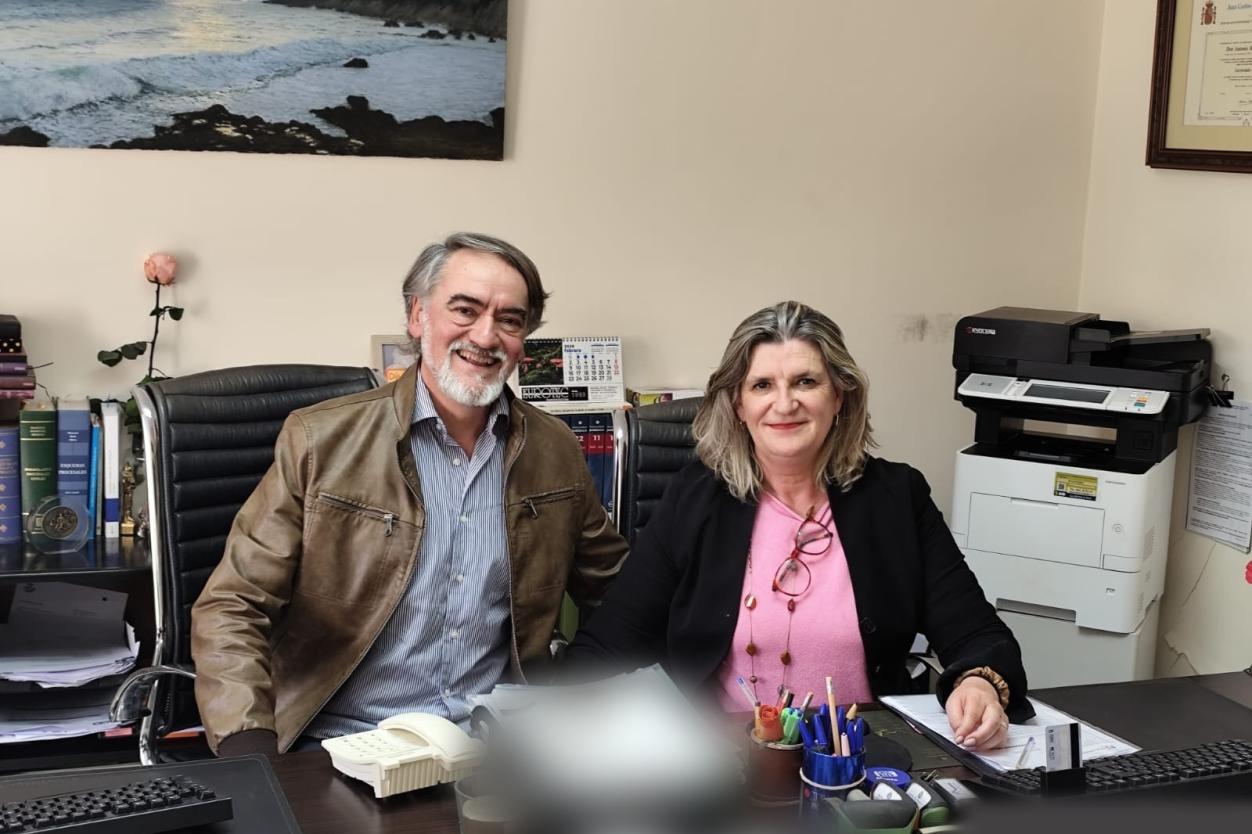
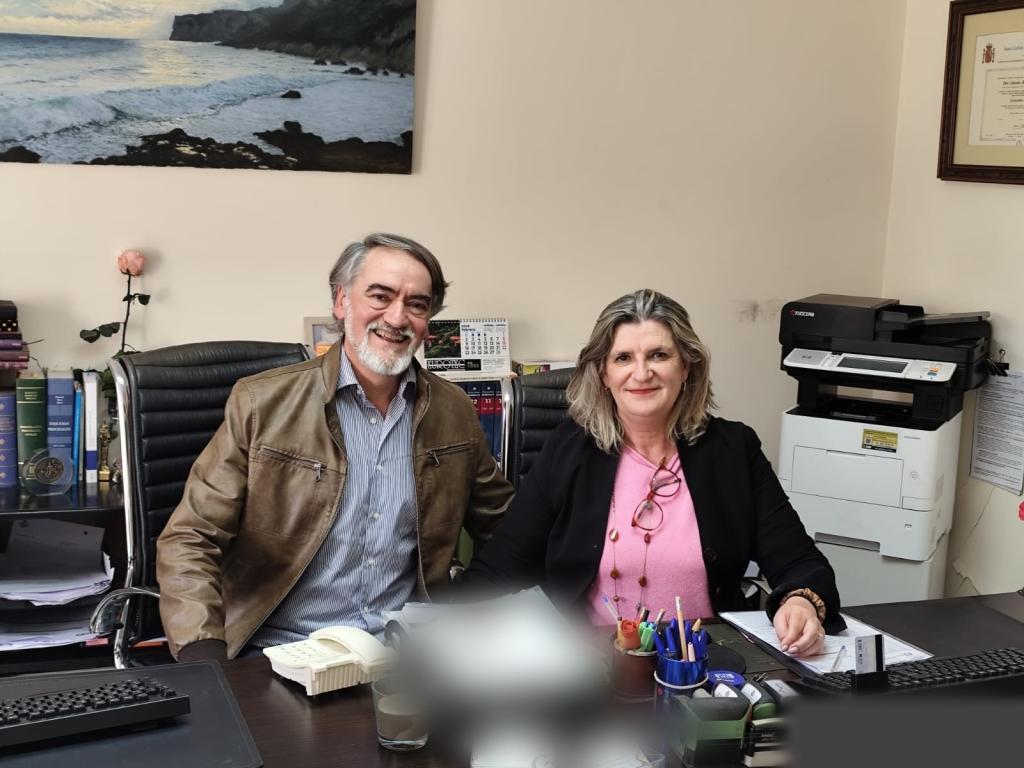
Article from Tomas Ballestero Lawyers, Javea
Tomas Ballestero Lawyers has been advising international buyers and sellers in Spain for over 30 years, from its office in Jávea.
Tel +34 965 79 29 46 · info@lawyerssoliciorsjavea.com · Tomas Ballestero Lawyers
Before the price, before the survey, before the mortgage, one question decides whether there is a purchase at all: does the person offering to sell actually have the power to sell?
The name on the deed is not always the answer.
The seller is a company. The signature must come from someone with authority to give it. A director's ordinary powers do not automatically extend to selling the company's principal asset; depending on the company's constitution and on what the property represents within it, a shareholders' resolution may be required. If the company is foreign, its powers must be proved in a form a Spanish notary will accept — normally apostilled and translated by a sworn translator. We also confirm that the company exists and is in good standing: a company that has been struck off, or is in insolvency proceedings, cannot simply sign.
The property belongs to several people. In a proindiviso, all the co-owners must sell. One brother agreeing is not a sale. If one of them is abroad, or unwell, or not speaking to the others, he must grant a valid power of attorney — and that takes time. Where two of the co-owners are a divorced couple, we read what the divorce settlement actually says about the property, because what was agreed between them and what the Land Registry shows are frequently different things.
The owner has died. This is the most common one on this coast: the property is still registered in the name of a parent who died years ago, and the family is selling. Nothing can be sold until the inheritance has been formally accepted and registered — the will or declaration of heirs, every heir signing, the inheritance tax settled, the property put into the heirs' names. If the deceased was foreign, the law governing the succession has to be determined first. This is not paperwork that can be done in the week before completion.
The seller is married. Where the property is the family home, the spouse's consent is needed even if only one of them is the registered owner. Where the couple married abroad, their matrimonial property regime — and therefore who owns what — may be governed by foreign law.
Someone is signing under a power of attorney. We read it. Is it in force? Was it granted for this? Does it allow the attorney to receive the price? Has it been revoked?
A typical situation on this coast. A villa of around €2,000,000, on the market for months, agreed at last. The property is still registered in the name of the owner who died some years ago. There are four heirs: two in Spain, one in northern Europe, one who has not spoken to the others since the funeral. The inheritance was never accepted, the inheritance tax was never settled, and the deceased was a foreign national, so the law governing the succession has to be established before anything else. All of it is solvable. None of it is solvable in the three weeks the agent has told the buyer completion will take — and a deposit paid before those questions were asked is a deposit at risk.
None of this is exotic. Every one of these situations comes through our office regularly, and every one of them can be resolved. What cannot be resolved easily is discovering it after a deposit has been paid, when the money is in someone else's hands and the contract you signed did not contemplate the problem.
That is why the checks on the seller come first — before the deposit contract, not after it.
Article from Tomas Ballestero Lawyers, Javea
Tomas Ballestero Lawyers has been advising international buyers and sellers in Spain for over 30 years, from its office in Jávea.
Tel +34 965 79 29 46 · info@lawyerssoliciorsjavea.com · Tomas Ballestero Lawyers
This article is general information on Spanish law and does not constitute legal advice. Every case depends on its own circumstances. Take advice on yours before signing anything.
DeniaOnline24 Sponsors

Featured Listings
Watkins Wilson Moraira

Watkins Wilson, established in 2006, is one of the...
Benimo-Villas - Estate Agent in Benissa

Benimo-Villas is an Estate Agency based in...
1 Real Estate - Estate Agent Costa Blanca

1 Real Estate are an Estate Agent based in Ondara,...
Villa Mia Real Estate SL - Property Agent: Sales, Long Term Rentals & Winter Lets Javea
VillaMia is a trusted estate agency in Jávea,...
C & C Properties Moraira - Estate Agent Moraira

C & C Properties Moraira is an Estate Agent...


 Spanish
 Chinese (simplified)
 Dutch
Dutch French
 German
 Italian
 Norwegian
 Polish
 Romanian
 Russian