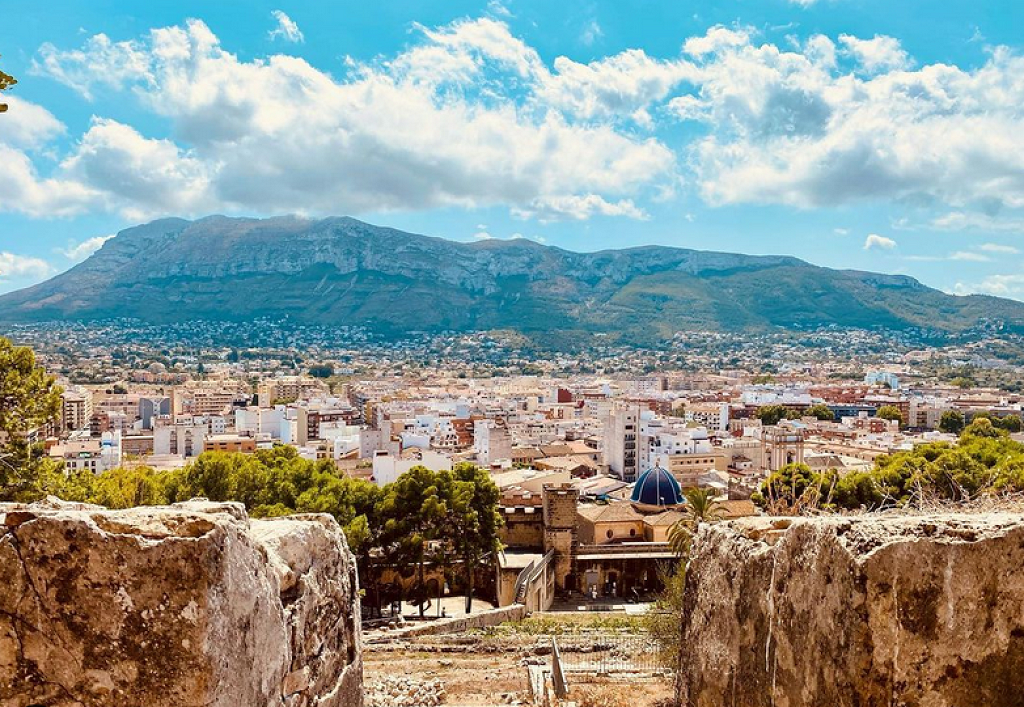
Discover the best places to visit in Dénia, Spain, from its magnificent historic castle and colourful fishing quarter to fascinating museums, beautiful beaches, mountain viewpoints and lesser-known heritage sites. Explore Dénia Old Town, Baix la Mar, Les Rotes, Montgó Natural Park and hidden corners in this complete sightseeing guide to the Costa Blanca.
11th November 2026
Situated on Spain's northern Costa Blanca, Dénia is a beautiful Mediterranean destination with a fascinating history, spectacular natural scenery and a wonderful variety of places to explore.
Overlooking the town is the impressive Dénia Castle, a historic fortress that has witnessed centuries of Roman, Islamic and Christian history. Beneath its walls, visitors can discover traditional neighbourhoods, colourful streets, historic churches and attractive squares.
Beyond the town centre, Dénia's coastline stretches from the long sandy beaches of Les Marines to the rocky coves and clear Mediterranean waters of Les Rotes.
The surrounding Montgó Natural Park also provides spectacular scenery, with mountain viewpoints, ancient chapels, historic watchtowers and unusual archaeological attractions waiting to be discovered.
Whether you are interested in history, architecture, nature, photography or simply exploring somewhere new, Dénia offers much more than a traditional beach holiday.
Here are some of the best places to visit in Dénia, including famous landmarks and lesser-known corners worth adding to your itinerary.
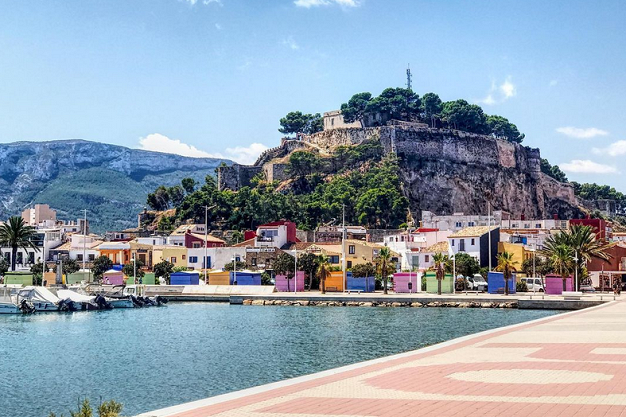
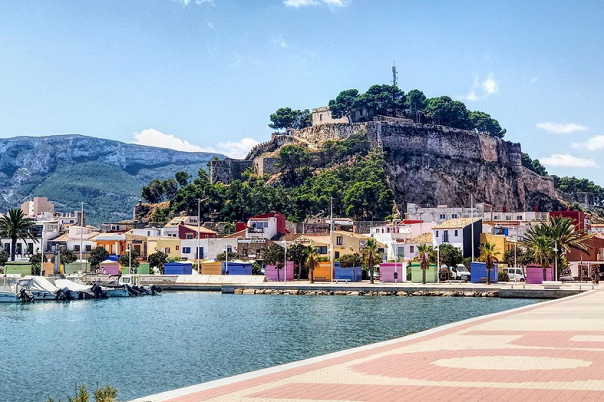
One of the most important places to visit in Dénia is its magnificent hilltop castle, which dominates the skyline above the historic centre.
Castillo de Dénia stands on a rocky hill overlooking the Mediterranean and has played an important role in the town's history for centuries.
The fortress is particularly associated with the Islamic period, when Dénia was known as Daniya and became an important Mediterranean port and political centre.
Much of the castle's surviving architecture dates from the 11th and 12th centuries, although the site has undergone numerous changes throughout its history.
Visitors can explore ancient defensive walls, towers, gateways and historic courtyards while discovering how the fortress developed under different rulers.
Notable features include the Portal de la Vila, Torre del Consell, Torre Roja and the remains of the medieval Vila Vella settlement.
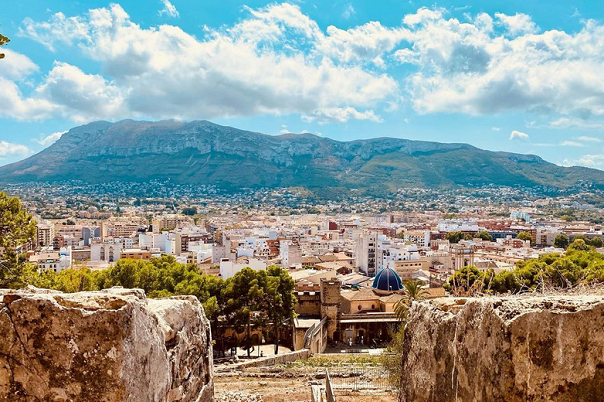
The elevated position provides some of the best views in Dénia, stretching across the Old Town, harbour, Mediterranean coastline and Montgó mountain.
The castle also contains the Dénia Ciutat Vigia Interpretation Centre, which helps explain the town's history and development.
Location: Carrer Sant Francesc, Dénia.
Visitor information: Admission charges apply, and opening hours vary seasonally. The castle is reached by an uphill route, with some uneven paths and steps.
Read our Historic Centre Dénia – Explore the Old Town guide.
Situated beneath the castle walls, Les Roques is one of Dénia's most atmospheric historic neighbourhoods.
This traditional area developed within the former medieval settlement and retains a distinctive character, with narrow streets, low houses, whitewashed buildings and picturesque corners.
The neighbourhood formed part of the Islamic city before the Christian conquest in the 13th century.
Today, visitors can wander through the quiet streets and appreciate the traditional architecture that contrasts with Dénia's modern commercial areas.
Colourful doors, decorative plants and historic stonework create attractive opportunities for photography.
Les Roques is particularly enjoyable during the morning or late afternoon, when visitors can explore at a relaxed pace.
The neighbourhood is also conveniently located close to Dénia Castle, making it an excellent addition to a sightseeing walk.
Best for: History, architecture, photography and quieter sightseeing.
Visitor tip: Some streets are narrow or steep, and visitors should respect residents' privacy.
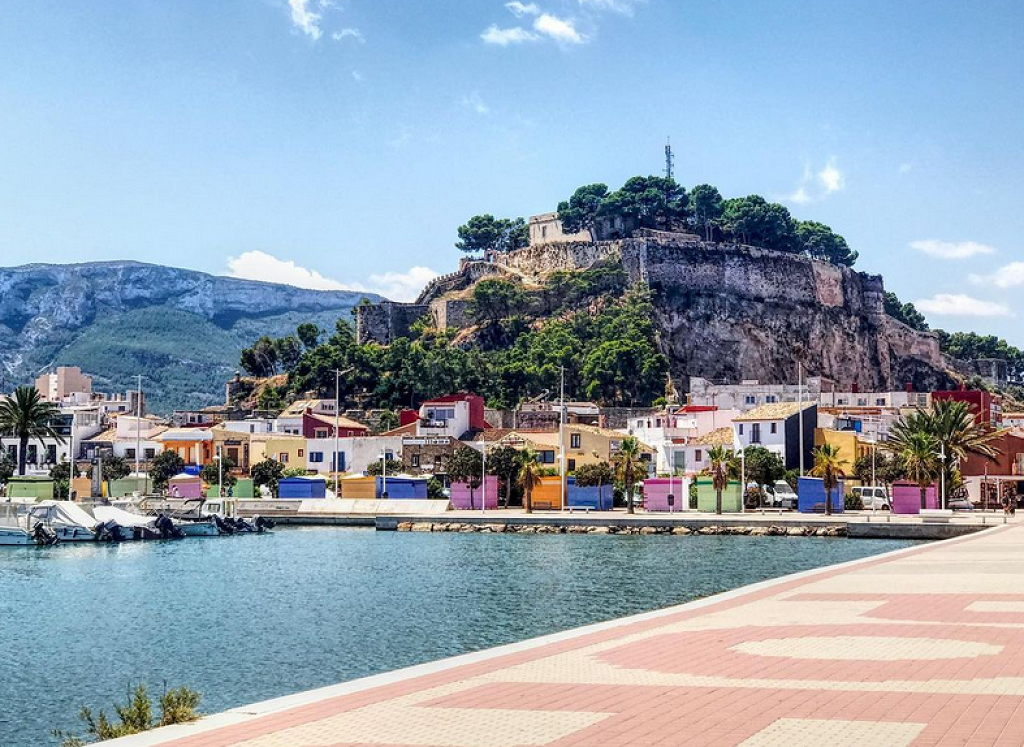
Another beautiful historic neighbourhood is Baix la Mar, situated between Dénia Castle and the harbour.
This attractive former fishing quarter reflects the town's long relationship with the Mediterranean Sea.
Its origins date back to the Islamic period, although much of its present character developed during the 19th century as maritime trade expanded.
Visitors can explore narrow pedestrian streets, colourful traditional houses and small squares.
Among its most attractive locations are Plaça de Sant Antoni and Placeta de la Creu, where traditional architecture and decorative details reflect the area's past.
Baix la Mar was so important to local maritime life that it briefly operated as a separate municipality during the 19th century.
Today, the neighbourhood is particularly popular with visitors who enjoy discovering picturesque streets and traditional Mediterranean surroundings.
Restaurants and cafés provide opportunities to enjoy refreshments while exploring.
Location: Between Dénia Castle and the Port.
Visitor tip: Combine Baix la Mar with the Museum of the Sea and a walk around Dénia Harbour.
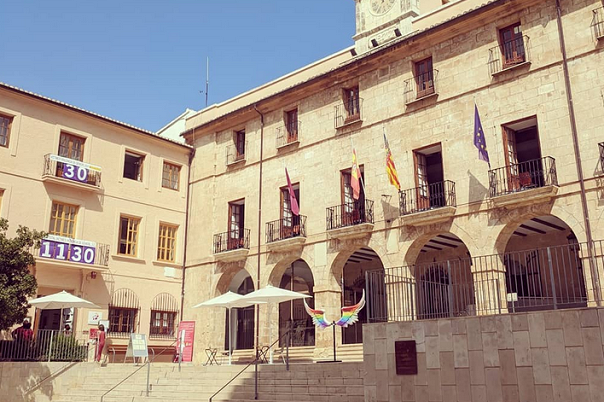
Plaza de la Constitución is one of Dénia's most important historic squares.
Located in the Old Town, this attractive public space is surrounded by buildings that reflect the town's architectural and civic heritage.
The square is home to Dénia Town Hall and the Church of Nuestra Señora de la Asunción.
The surrounding streets contain traditional buildings, shops and restaurants, making it a convenient starting point for exploring the historic centre.
Visitors can admire the architecture, enjoy a coffee and take photographs of the historic surroundings.
The square is also close to the routes leading towards Dénia Castle.
Best for: Historic architecture, sightseeing and relaxed exploring.
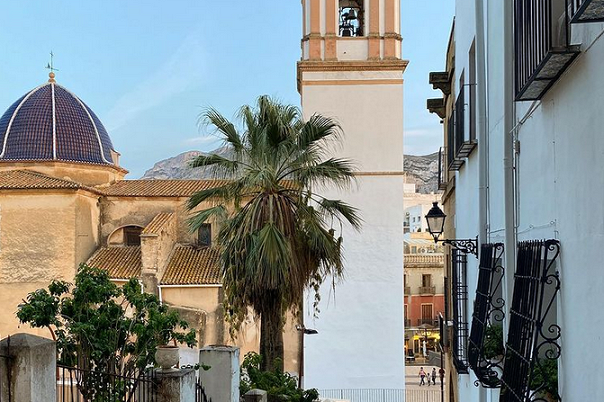
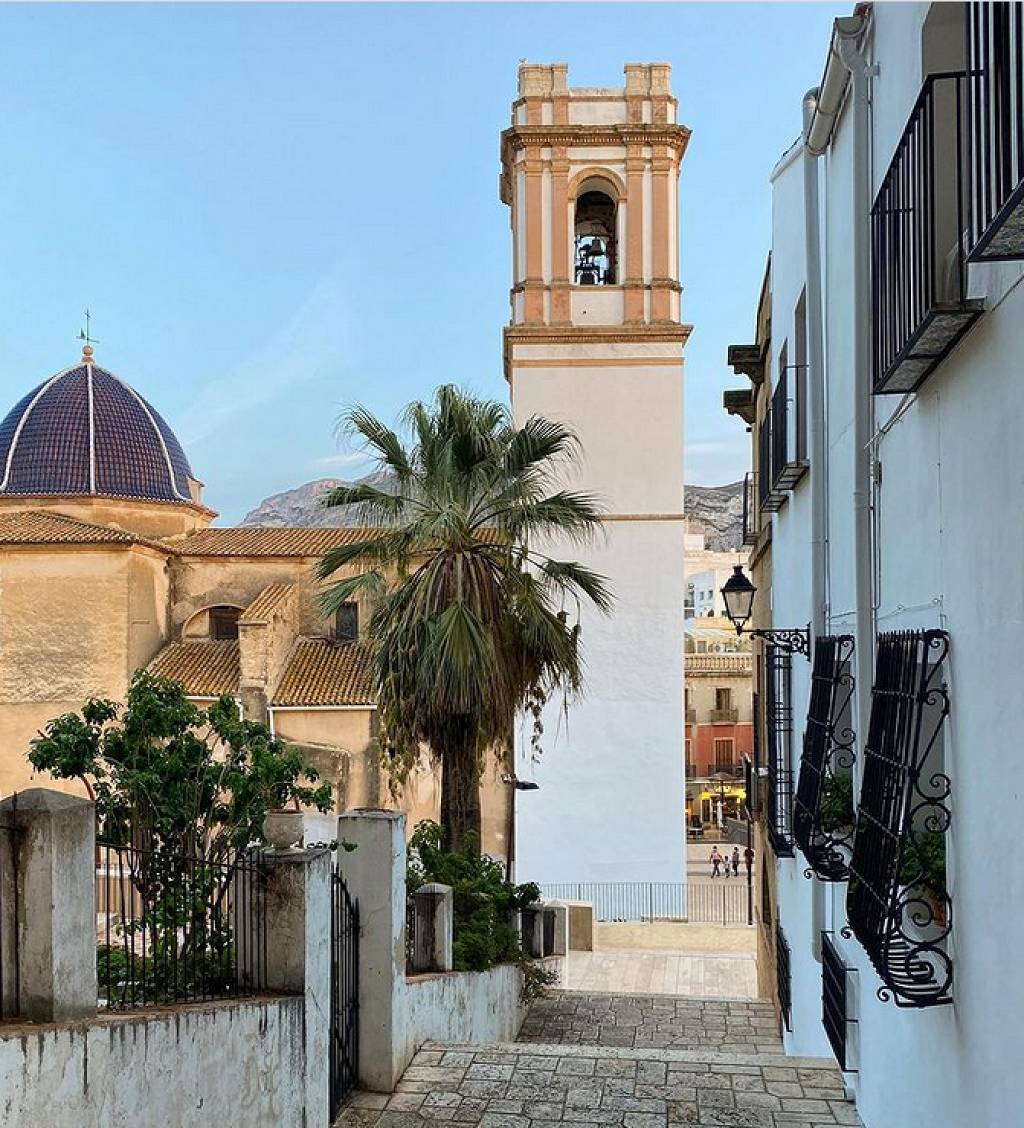
Standing beside Dénia Town Hall, the Church of Nuestra Señora de la Asunción is one of the town's principal religious landmarks.
The church dates from the 18th century and features Baroque architectural influences.
Its elegant façade, bell tower and distinctive interior decoration make it an important part of Dénia's historic centre.
Visitors can admire the building from Plaza de la Constitución and appreciate the surrounding architecture.
The church remains an active place of worship and is connected with local religious celebrations.
For those interested in history and culture, it provides an interesting addition to a walking tour of the Old Town.
Location: Plaza de la Constitución, Dénia.
Visitor tip: Interior access may be limited to service times or designated visiting periods. Respect religious activities.
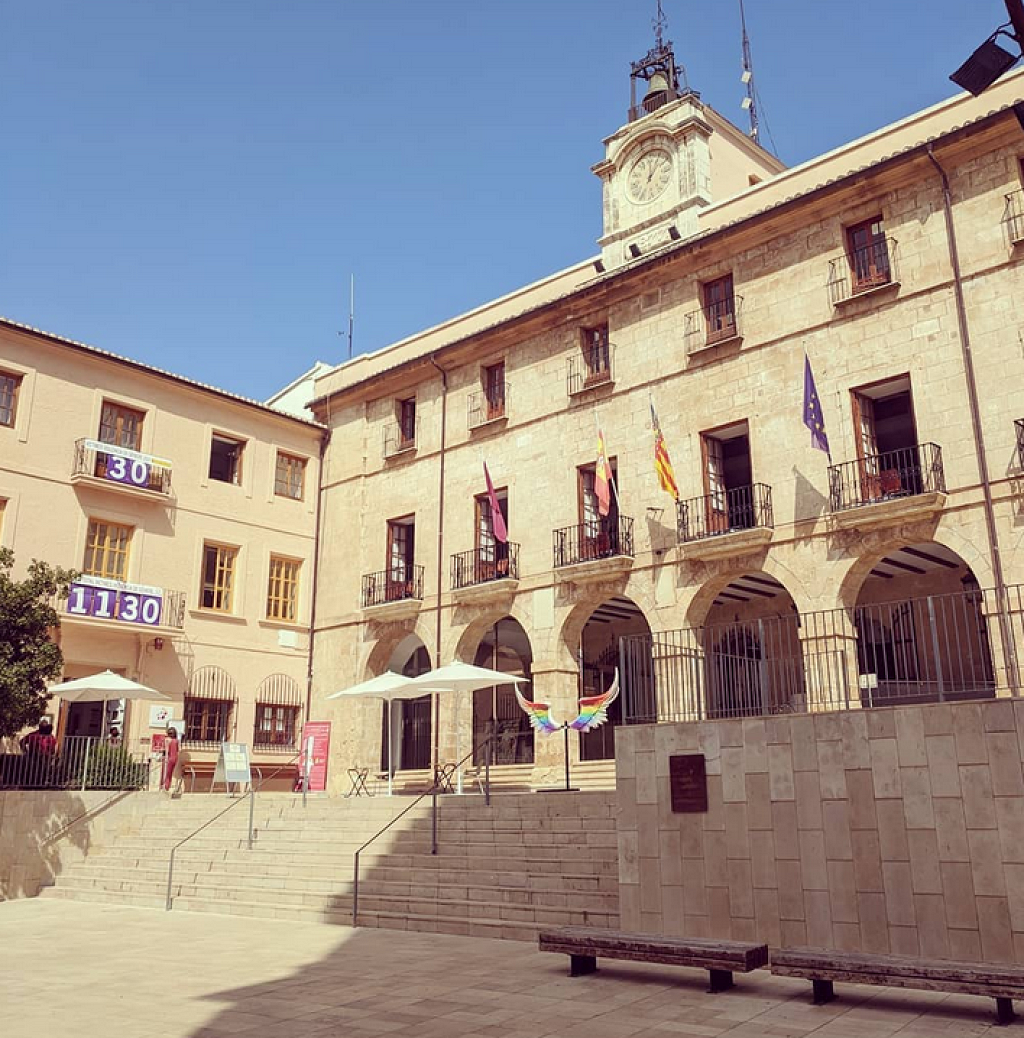
Dénia's Town Hall, or Ayuntamiento, is another important building overlooking Plaza de la Constitución.
Its elegant architecture reflects the town's civic history and development.
The building incorporates neoclassical elements and forms an important part of the historic square.
Visitors exploring the Old Town can admire its façade and appreciate how the surrounding buildings create one of Dénia's most recognisable historic settings.
Although the Town Hall is a working municipal building rather than a conventional tourist attraction, its exterior is well worth including in a sightseeing walk.
Location: Plaza de la Constitución, Dénia.
For visitors interested in understanding Dénia's fascinating past, the Archaeological Museum is one of the most important cultural attractions in the town.
The museum is now located in the historic Casa de la Marquesa de Valero de Palma, on Carrer Cavallers.
Its exhibitions explore the different civilisations that have inhabited Dénia, including Iberian communities, the Romans, Islamic Daniya and later medieval and modern settlements.
Visitors can discover archaeological objects, ceramics, historical artefacts and material associated with Dénia's role as an important Mediterranean trading centre.
Highlights include Roman objects, Islamic bronzes and discoveries associated with the surrounding region.
The museum provides useful background for understanding the history of Dénia Castle and the Old Town.
Location: Carrer Cavallers, 3, Dénia.
Admission: Free according to the official tourism information.
Visitor tip: The museum is no longer housed inside Dénia Castle. Check current opening hours before visiting.
Official information: Dénia Archaeological Museum.
Located in the former fish market building beside the harbour, the Museu de la Mar is one of Dénia's most interesting cultural attractions.
The museum explores the town's long relationship with the Mediterranean, including fishing, maritime trade, navigation and shipwrecks.
Its collection contains more than 400 archaeological and ethnological objects associated with maritime life.
Visitors can discover Roman amphorae, traditional fishing equipment, historic photographs and objects recovered from the sea.
The building itself is also an important part of the experience.
As Dénia's former fish market, it provides an atmospheric setting for exhibitions connected with the town's maritime heritage.
Its position beside the harbour makes it convenient to combine with a visit to Baix la Mar or the marina.
Location: Explanada Cervantes, 2, Dénia.
Admission: Free according to the official tourism website.
Visitor tip: An excellent attraction for visitors interested in maritime history or looking for an indoor sightseeing option.
Official information: Dénia Museum of the Sea.
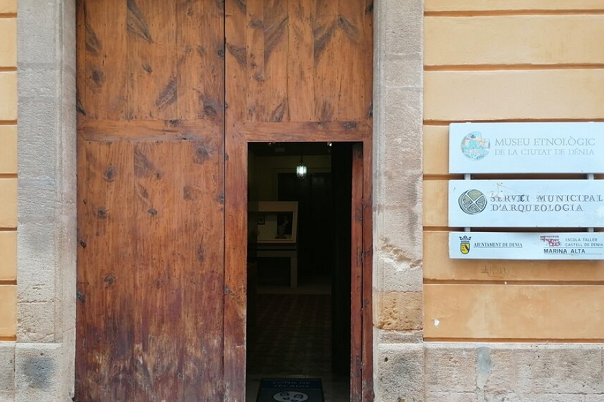
Dénia's Ethnological Museum provides a fascinating insight into the town's social and economic history.
Located inside a beautiful 19th-century bourgeois townhouse on Carrer Cavallers, the museum focuses particularly on the period when the raisin trade brought prosperity to Dénia.
During the 19th century, the production and export of raisins became an important industry across the Marina Alta.
The museum's exhibitions explore how this trade influenced local architecture, fashion, commerce and everyday life.
Visitors can discover traditional clothing, agricultural tools, furniture and objects associated with the town's former wealthy merchant families.
The historic building itself is also worth seeing, with architectural details reflecting the prosperity of the period.
Location: Carrer Cavallers, 1, Dénia.
Admission: Free according to the official tourism website.
Visitor tip: Combine the museum with the Archaeological Museum, situated nearby on the same street.
Official information: Dénia Ethnological Museum.
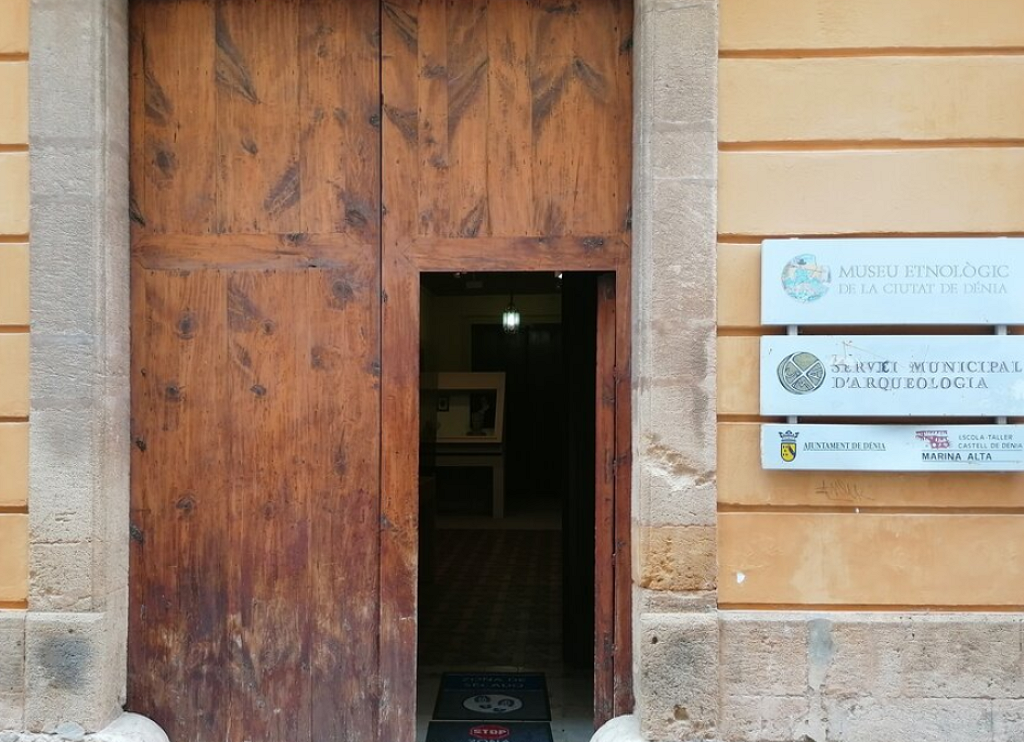
One of Dénia's more unusual attractions is its Toy Museum, which celebrates the town's former toy-manufacturing industry.
During the early 20th century, Dénia became an important centre for producing toys, including wooden and metal models.
The museum displays a collection of historic toys manufactured in the area from the early 1900s onwards.
Visitors can discover miniature cars, trains, boats, aeroplanes, traditional games and other objects associated with childhood in earlier generations.
The collection provides an interesting insight into Dénia's industrial heritage and the craftsmanship involved in producing traditional toys.
The museum is housed in a former railway station building, which also contains the L'Estació Art Centre.
Location: Carrer Calderón, 2, Dénia.
Admission: Free according to the official tourism website.
Best for: Families, history enthusiasts and visitors interested in traditional craftsmanship.
Located within the same historic building as Dénia's Toy Museum, the L'Estació Art Centre provides another interesting cultural experience.
The building once served the Dénia-Carcaixent railway line, reflecting an important period in the town's transport and commercial history.
Today, the cultural centre hosts temporary art exhibitions.
Visitors may discover painting, photography, sculpture and other creative work, depending on the programme.
The combination of historic railway architecture and contemporary exhibitions makes it a worthwhile stop for art lovers.
Its location near Dénia's central streets also makes it easy to include in a sightseeing itinerary.
Location: Carrer Calderón, 2, Dénia.
Visitor tip: Exhibitions change throughout the year, so check the current programme before visiting.
Official information: Dénia Toy Museum and L'Estació Art Centre.
One of Dénia's most unusual historic attractions is the tunnel running beneath the castle hill.
Known as the Túnel del Castillo, this passageway was constructed during the Spanish Civil War between 1937 and 1938.
It was originally designed as an air-raid shelter to protect local residents from bombing.
Today, the tunnel serves as a pedestrian route connecting the historic town centre with the area towards the harbour.
The passage is more than 200 metres long and includes information explaining its historical significance.
For visitors interested in modern Spanish history, this is a particularly fascinating place to explore.
The tunnel also provides a convenient walking connection between different parts of central Dénia.
Location: Between Plaça del Consell and Ronda de les Muralles.
Admission: Free.
Visitor tip: Combine it with a visit to Dénia Castle and Baix la Mar.
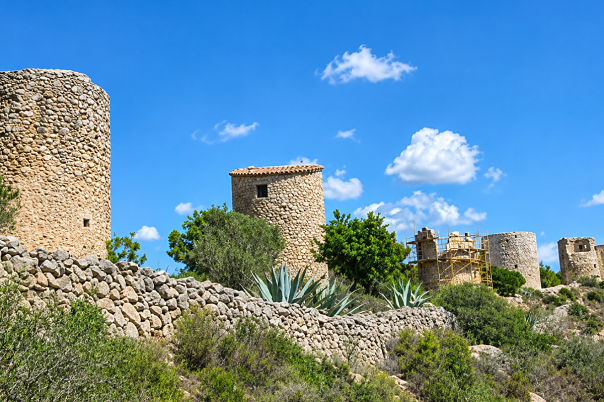
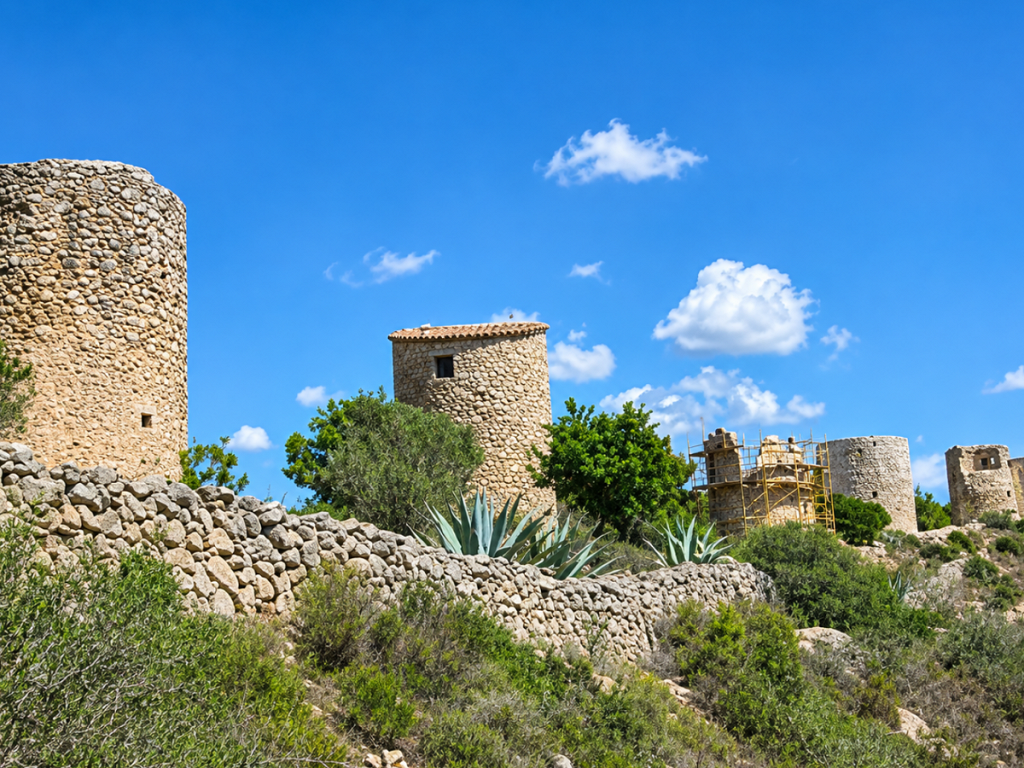
Standing above the rocky coastline of Les Rotes, Torre del Gerro is one of Dénia's most impressive historic landmarks.
The tower dates from the 16th century and formed part of a defensive network designed to warn coastal communities of approaching pirate ships.
Its distinctive cylindrical shape gives the tower its name, which refers to a large jug.
The surrounding hillside provides spectacular views across the Mediterranean and the coastline towards Cap de Sant Antoni.
Today, Torre del Gerro is a popular destination for walkers, photographers and visitors interested in discovering the area's defensive history.
Reaching the tower involves an uphill route from the Les Rotes area.
Although the walk is relatively short from the upper access road, the climb can be steep.
Location: Above Les Rotes, near the boundary with Jávea.
Visitor tip: Wear suitable footwear and carry water, particularly during warmer months.
Situated in the foothills of Montgó, the Ermita de Santa Llúcia is one of Dénia's lesser-known religious landmarks.
This small rural chapel dates from the medieval period and is associated with the 14th and 15th centuries.
Its simple architecture reflects the traditional religious buildings constructed in the countryside following the Christian conquest.
The hermitage features a rectangular layout, stone details and a small bell gable.
Its peaceful surroundings make it an appealing destination for visitors interested in historic architecture and quieter places to explore.
The chapel is associated with annual celebrations honouring Saint Lucia.
Location: Camí de Santa Llúcia, approximately 2.3km from central Dénia.
Visitor tip: The interior is not normally open for casual sightseeing. The surrounding outdoor area can be visited, but check arrangements before travelling specifically for an interior visit.
The Ermita de Sant Joan is another important rural chapel situated in the Montgó foothills.
This historic building reflects Dénia's medieval religious heritage and the area's traditional countryside architecture.
The chapel has architectural features associated with the Gothic period, including distinctive stone arches.
It is surrounded by rural scenery, providing an attractive setting away from the busy town centre.
Visitors can include the hermitage during a countryside outing or heritage-focused exploration of the Montgó area.
The site is particularly interesting when combined with nearby chapels and traditional rural landmarks.
Visitor tip: Interior access may be restricted, so do not assume that the chapel is open outside special services or events.
For a genuinely unusual historical attraction, visit the Caseta del Pare Pere in the Montgó foothills.
This small stone shelter is associated with Pere Esteve, a Franciscan friar from Dénia who lived during the 17th century.
The structure reflects the friar's religious life and the area's local devotional traditions.
Its simple stone construction contrasts with the grander churches and historic buildings in central Dénia.
The nearby countryside also provides beautiful scenery and opportunities for a short walk.
Visitors interested in local religious history will find this a particularly distinctive stop.
Location: Montgó foothills, Dénia.
Visitor tip: Check public access arrangements and approach using recognised routes.
Cova de l'Aigua is a lesser-known natural and archaeological attraction located on the slopes of Montgó.
The cave has historical significance because it was associated with the collection and storage of water.
It also contains evidence of human activity dating back to earlier periods, including Roman-era inscriptions.
The cave's location within the natural park makes it appealing to visitors interested in combining history with mountain scenery.
However, reaching it requires following a walking route through uneven terrain.
It is not a drive-up attraction or an ordinary roadside stop.
Best for: Walkers interested in archaeology and natural history.
Visitor tip: Check the official route before setting out and avoid entering restricted or unsafe cave areas.
Dénia's Islamic period left an important architectural legacy that extends beyond its famous castle.
During the 11th and 12th centuries, Daniya was a significant Mediterranean settlement with defensive walls and an important port.
Today, surviving structures and archaeological remains help illustrate the town's medieval development.
Some of these can be appreciated around the castle and its surrounding historic streets.
Visitors interested in history can explore the surviving fortifications and learn how the town developed during the Islamic and later Christian periods.
The Archaeological Museum provides additional context through discoveries from the medieval settlement.
Visitor tip: Many surviving remains are part of protected archaeological areas rather than separate visitor attractions with regular opening hours.
Punta del Raset is one of Dénia's most popular sandy beaches and an excellent place to visit close to the town centre.
Situated beside the harbour at the beginning of the Les Marines coastline, this broad beach offers golden sand and beautiful Mediterranean views.
Its convenient location makes it particularly appealing for families and visitors exploring the town.
The surrounding area offers restaurants, beach facilities and access to the waterfront.
Visitors can combine a beach stop with sightseeing in Baix la Mar or the Port.
During summer, the beach becomes particularly lively, while outside the main season it is an attractive place for a coastal walk.
Location: Playa Punta del Raset, Dénia.
Visitor tip: Lifeguards and beach services operate seasonally. Check current facilities and follow local swimming advice.
Read our Punta del Raset Beach Guide.
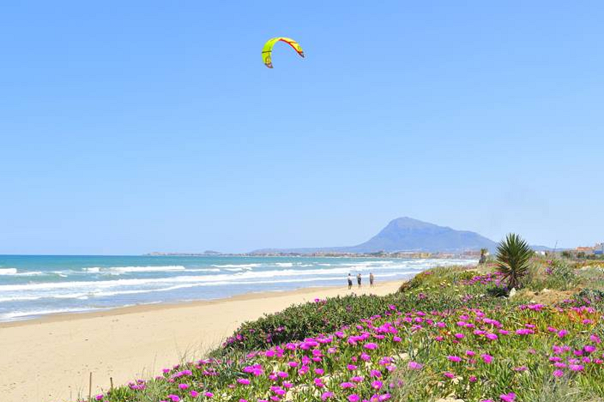
Stretching north from the town centre, Les Marines is one of Dénia's most attractive coastal areas.
This long section of coastline features beautiful sandy beaches, dunes and Mediterranean scenery.
Visitors can discover several different beaches, including Les Marines, Les Bovetes, Els Molins and Les Deveses.
The area is particularly appealing for families and visitors who enjoy long beach walks.
Different sections offer different surroundings, ranging from more developed areas with restaurants and holiday accommodation to quieter stretches of coast.
The northern beaches are an important part of Dénia's identity as a seaside destination.
Visitor tip: Some beaches are several kilometres from central Dénia, so plan your transport accordingly.
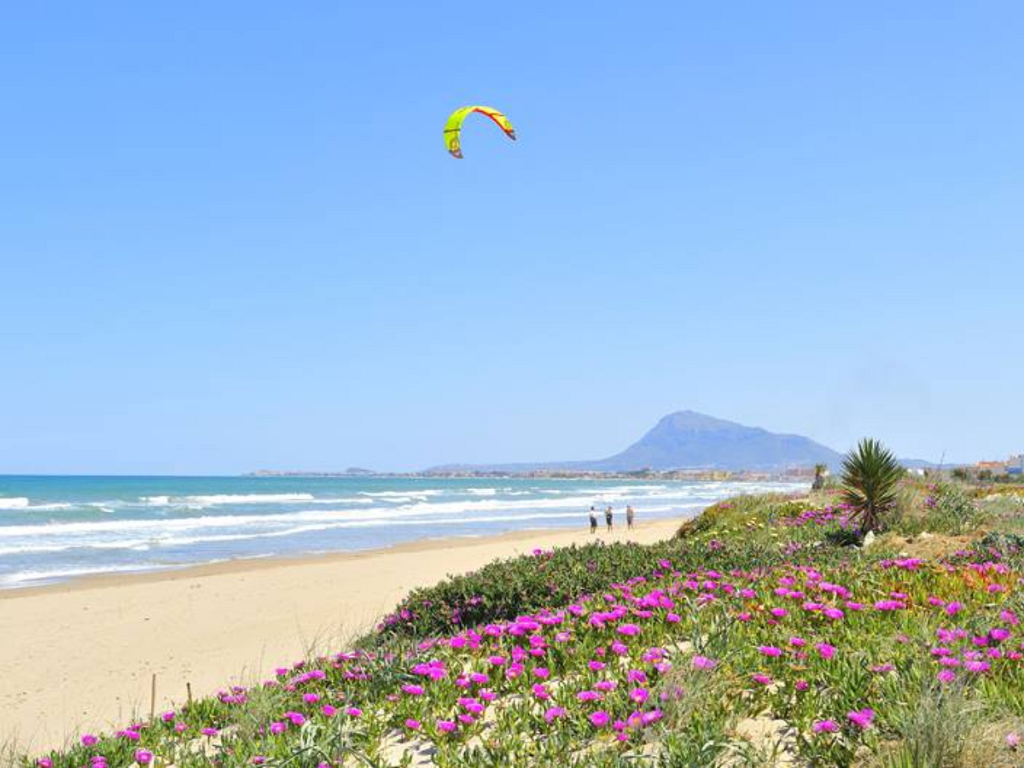
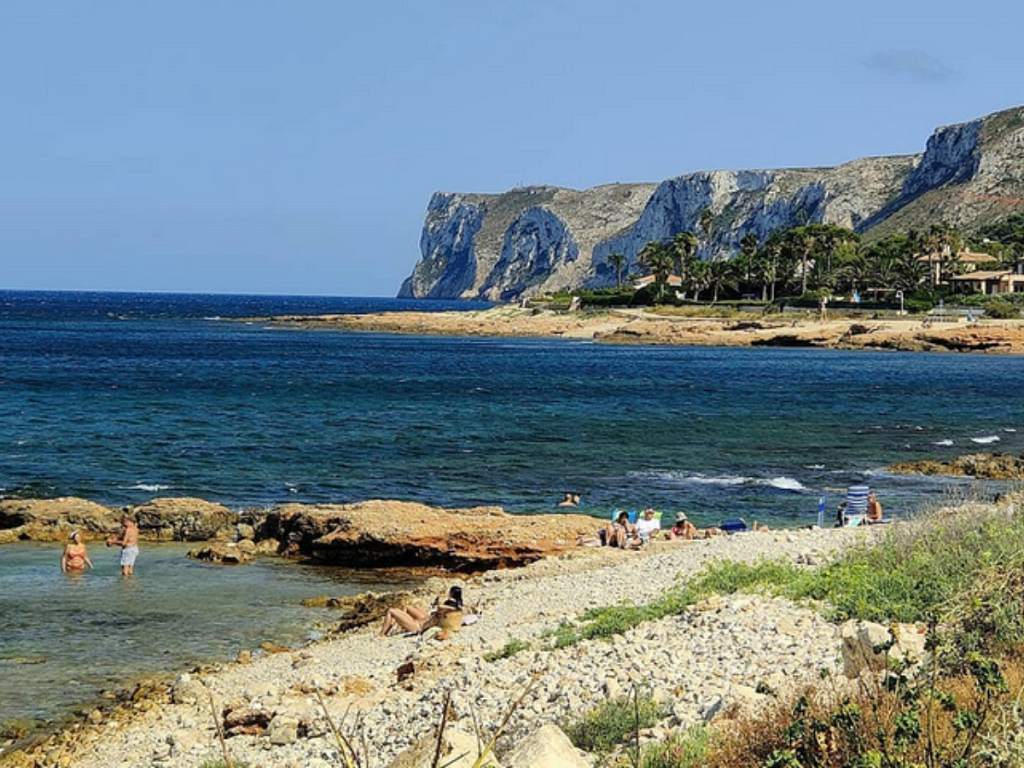
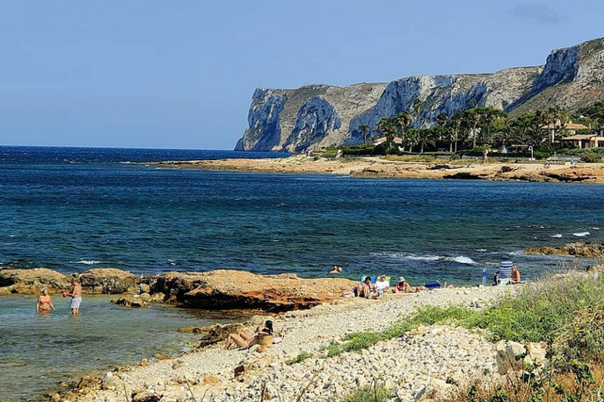
While Les Marines is known for its sandy beaches, Les Rotes offers a completely different coastal landscape.
Situated south of Dénia, this beautiful area features rocky coves, clear water and spectacular views towards Cap de Sant Antoni.
The coastline is particularly popular with nature lovers, photographers and visitors interested in marine environments.
Among the best-known locations are Punta Negra, El Trampolí and Les Arenetes.
The area also features restaurants and coastal paths, making it an excellent place for a scenic outing.
Parts of the coastline fall within the protected marine environment associated with Cap de Sant Antoni.
Visitor tip: Rocky shorelines can be slippery, and sea conditions may change quickly. Swimming and snorkelling should only be attempted where permitted and when conditions are safe.
Explore more in our Dénia Beaches and Les Rotes Guide.
Marineta Cassiana is an attractive coastal location situated between central Dénia and the beginning of Les Rotes.
The beach offers an appealing setting for visitors who want to enjoy Mediterranean scenery without travelling far from the town.
Its position provides beautiful views towards the harbour and surrounding coastline.
The nearby waterfront is also a popular place for walking and appreciating the sea.
Marineta Cassiana is particularly convenient for visitors who wish to combine a coastal stop with exploring the southern shoreline.
Location: Southern Dénia, near the beginning of Les Rotes.
Visitor tip: Conditions and beach facilities vary seasonally, so check the latest information before visiting.
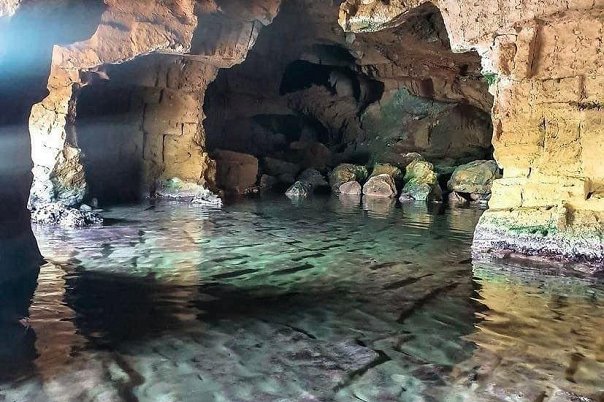
One of the most unusual places to visit in the Dénia area is Cova Tallada, a dramatic sea cave located beneath the cliffs of Cap de Sant Antoni.
The cave was historically used as a quarry for extracting tosca stone, which was used in buildings around the region.
Its enormous chambers, rock formations and openings towards the Mediterranean create a spectacular natural setting.
However, visiting Cova Tallada requires careful planning.
The walking route from the Dénia side involves rocky, exposed terrain and difficult sections.
Access is regulated during certain periods, and visitors may need to make an advance reservation.
The cave is not suitable for young children, inexperienced hikers or anyone uncomfortable with exposed coastal routes.
Visitor tip: Check official access rules and weather conditions before visiting. Never attempt the route during dangerous sea conditions or enter restricted areas.
Read our Cova Tallada Visitor Guide.
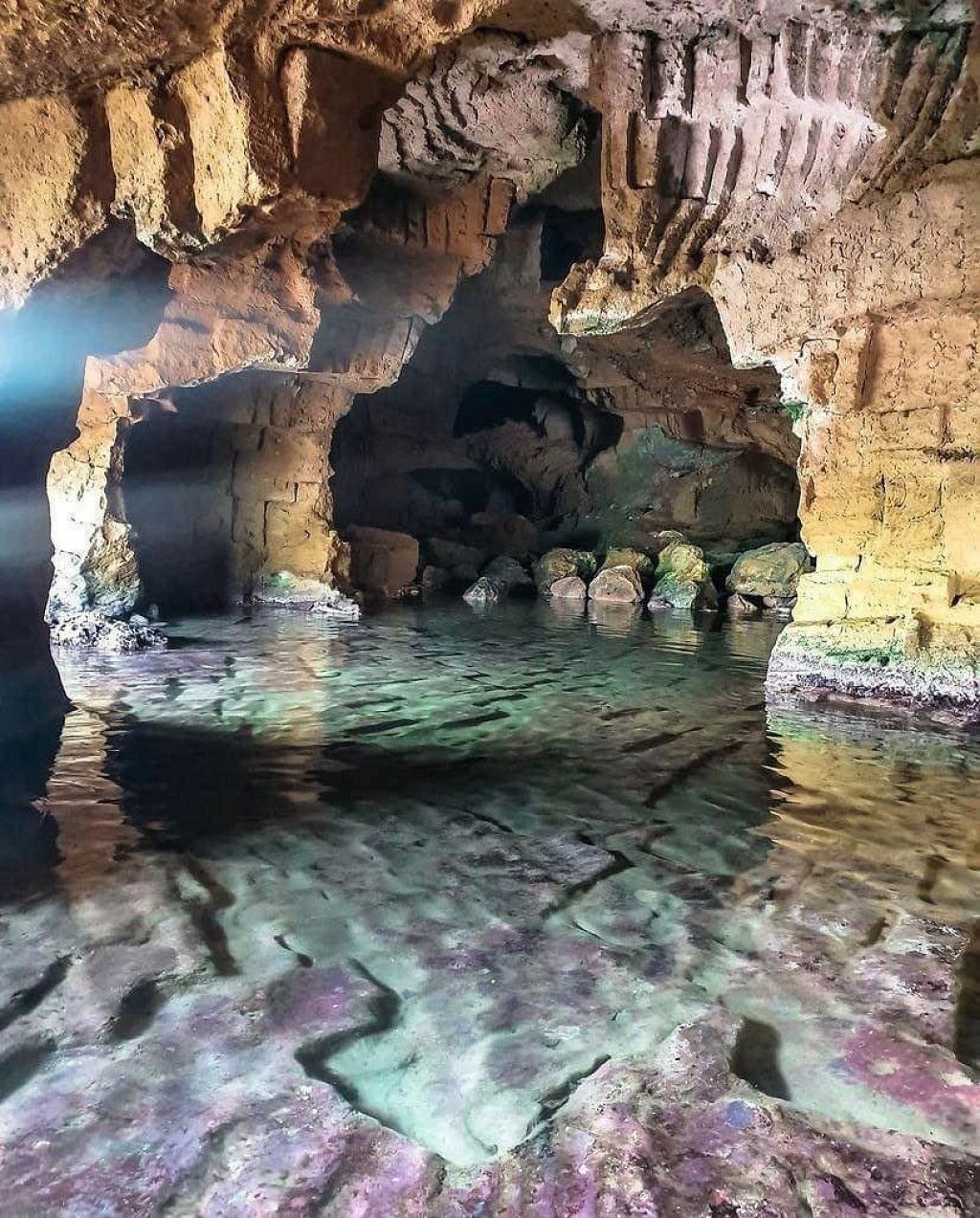
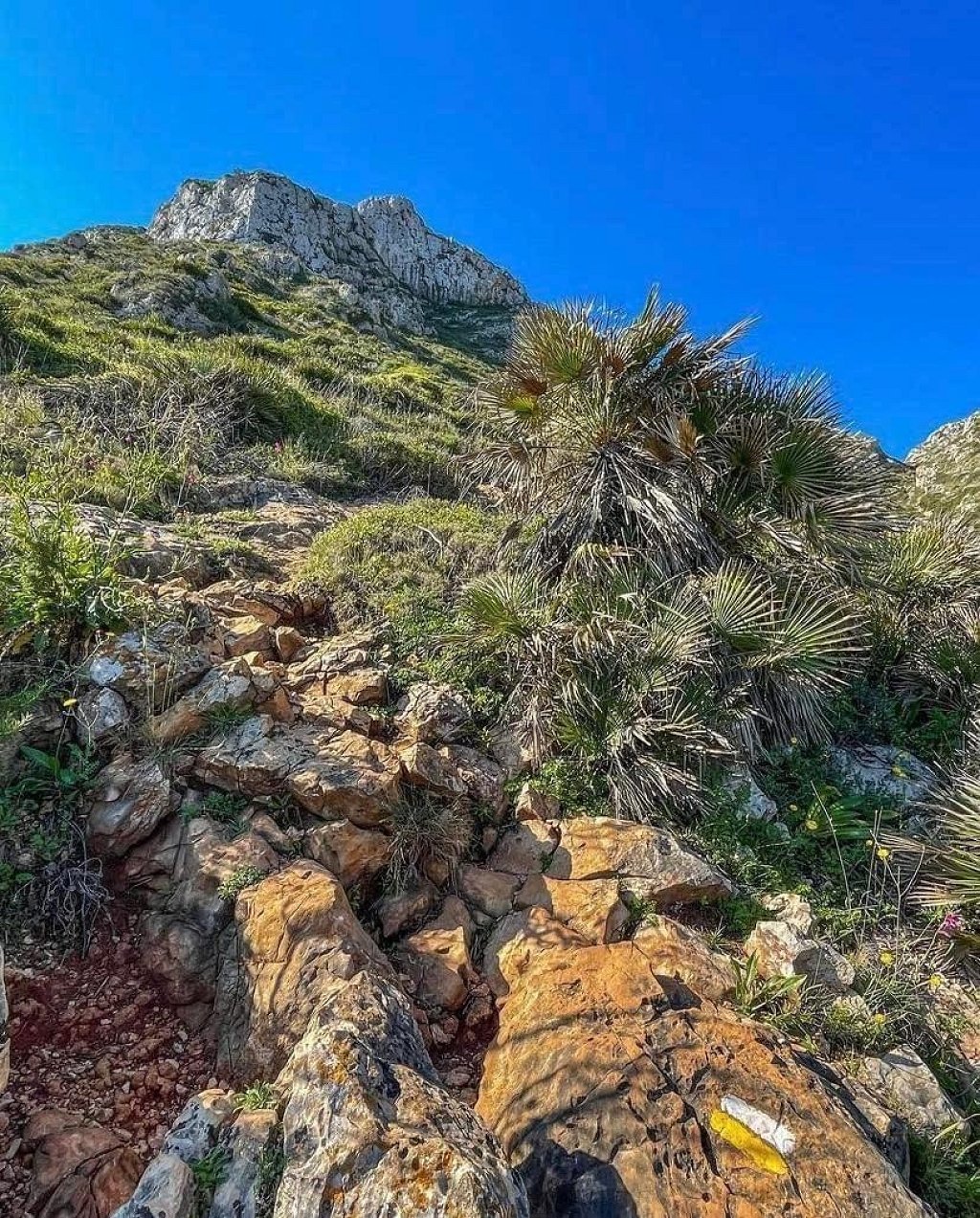
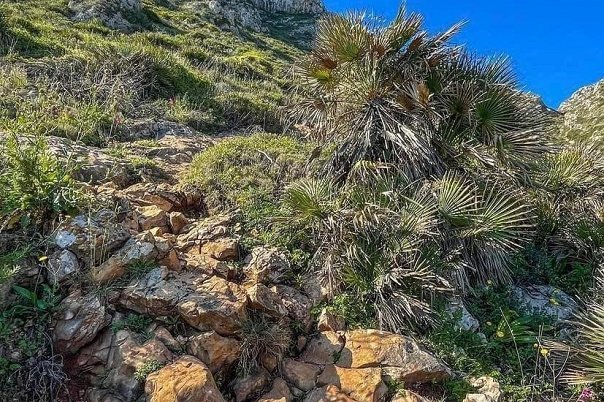
The Montgó mountain is one of Dénia's most recognisable natural landmarks.
Rising approximately 753 metres above sea level, this imposing limestone mountain forms a dramatic backdrop to Dénia and neighbouring Jávea.
Protected within Montgó Natural Park, the landscape contains Mediterranean vegetation, diverse wildlife and spectacular countryside scenery.
Visitors can appreciate the mountain from Dénia's streets and beaches or explore designated walking routes within the park.
The surrounding countryside offers opportunities to discover smaller chapels, historic agricultural sites and panoramic viewpoints.
Some routes are suitable for shorter outings, while others involve steep and challenging climbs.
Best for: Nature lovers, experienced walkers and landscape photography.
Visitor tip: Check official walking route conditions, weather forecasts and fire-risk restrictions before setting out.
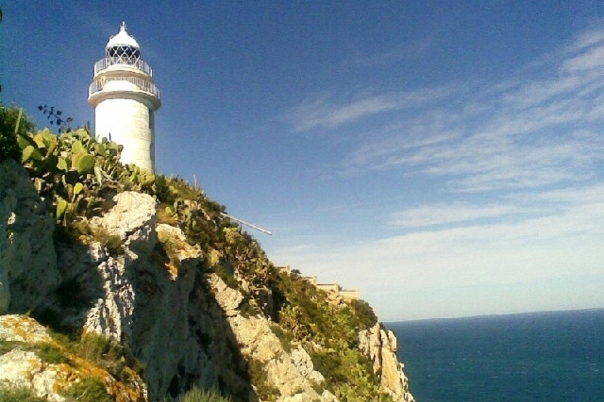
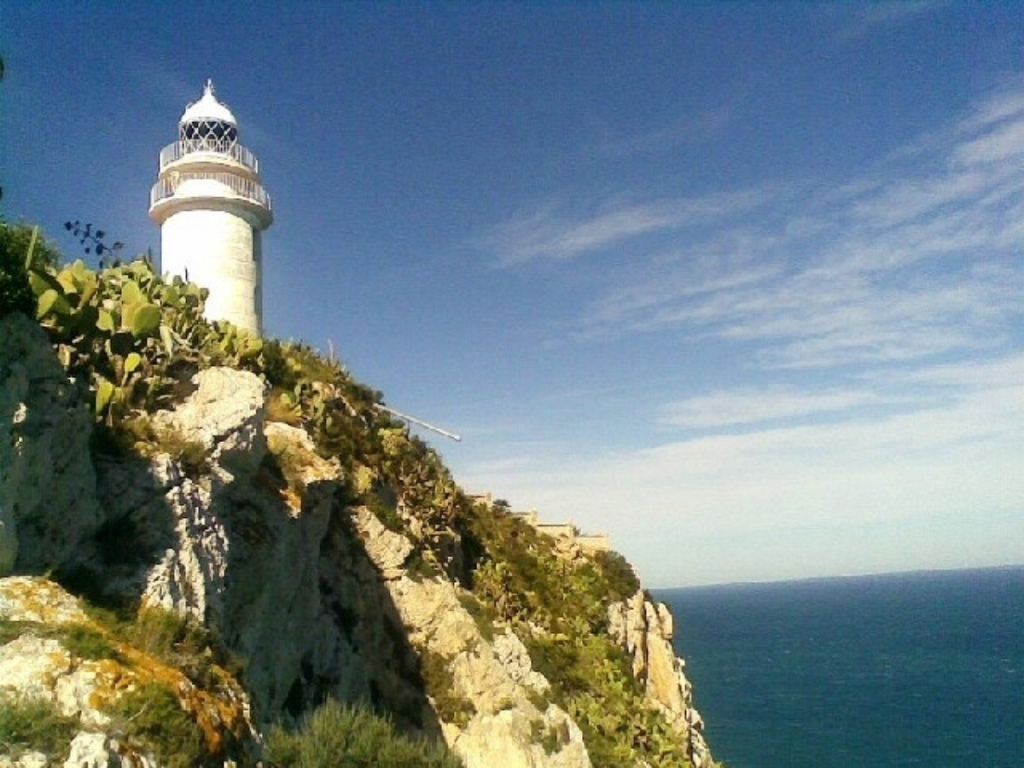
Cap de Sant Antoni is a dramatic headland situated between Dénia and Jávea.
The area is known for its steep limestone cliffs, beautiful Mediterranean scenery and important protected natural environment.
The headland forms part of the wider Montgó landscape and overlooks a marine reserve.
Visitors can enjoy spectacular coastal viewpoints from authorised public areas, with views stretching across the sea and towards the surrounding coastline.
The lighthouse near the headland is another important maritime landmark.
Although Cap de Sant Antoni is generally associated with Jávea, its coastline and natural environment are closely connected to Dénia's southern coastal area.
Visitor tip: Some viewpoints are exposed and have steep cliff edges. Follow designated public routes and respect protected areas.
For visitors interested in exploring Dénia's countryside, the Vía Verde offers a beautiful alternative to the town's busy waterfront.
This greenway follows part of a former railway line through the agricultural landscape north of Dénia.
Its largely level route passes fields, rural scenery and areas with views towards Montgó.
The route is particularly popular with walkers, cyclists and families looking for a quieter outdoor experience.
It also provides a reminder of Dénia's former railway connections and the importance of transport to the region's agricultural economy.
Visitors can choose shorter sections rather than completing the entire route.
Best for: Families, gentle countryside walks and cycling.
Visitor tip: Some sections are exposed to sunshine, so bring water and sun protection.
For a lesser-known aspect of the area's history, explore the traditional agricultural landscape surrounding Dénia.
The Marina Alta was once an important centre for raisin production, with Moscatel grapes cultivated across the countryside.
Historic riuraus were used to shelter grapes during the drying process.
These distinctive structures typically feature open arches and covered areas that allowed air to circulate while protecting the fruit.
Examples survive in the countryside around Dénia, Jesús Pobre and neighbouring villages.
The Riurau de Jesús Pobre is particularly associated with the area's agricultural heritage and provides an interesting destination for visitors exploring beyond Dénia town centre.
Nearby rural settlements also contain traditional buildings and landscapes connected with this period.
Visitor tip: Some agricultural buildings are privately owned. View them only from permitted public areas and respect local property boundaries.
DeniaOnline24 Sponsors

Featured Listings
Punta Del Raset Beach Denia

Punta del Raset Beach is a popular beach located...
Denia Beach Guide - The Best Beaches in Denia, Spain

Guide to the beaches in Denia, Costa Blanca,...
Transfers from Alicante Airport

Find information about transfers from Alicante...
Beniconnnect - Private Taxi Transfers from Alicante Airport

Beniconnect transfers offers reliable private...
Historic Centre Denia - Explore the Old Town of Denia

Discover the best of the Old Town of Denia with a...


 Spanish
 Chinese (simplified)
 Dutch
 French
 German
 Italian
 Norwegian
 Polish
 Romanian
 Russian